Centre for Food Technology and Research
Controlling post-harvest
food losses.
CEFTER trains both high- and lower-level manpower to address food waste across West and Central Africa.
- World Bank Africa Centre of Excellence
- Mandatory industry internship
- Professors paired with industry experts
- Post-harvest food loss research
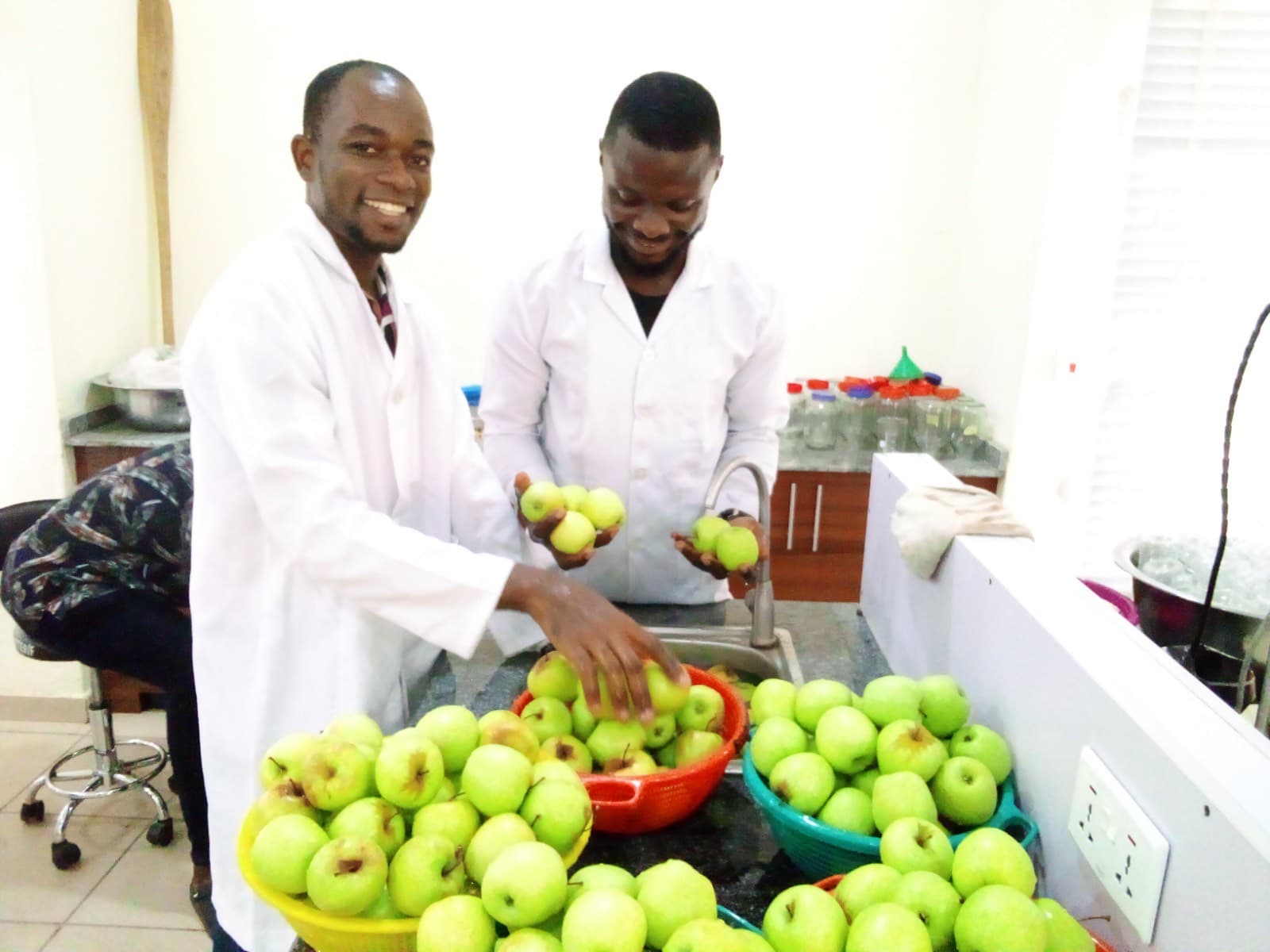
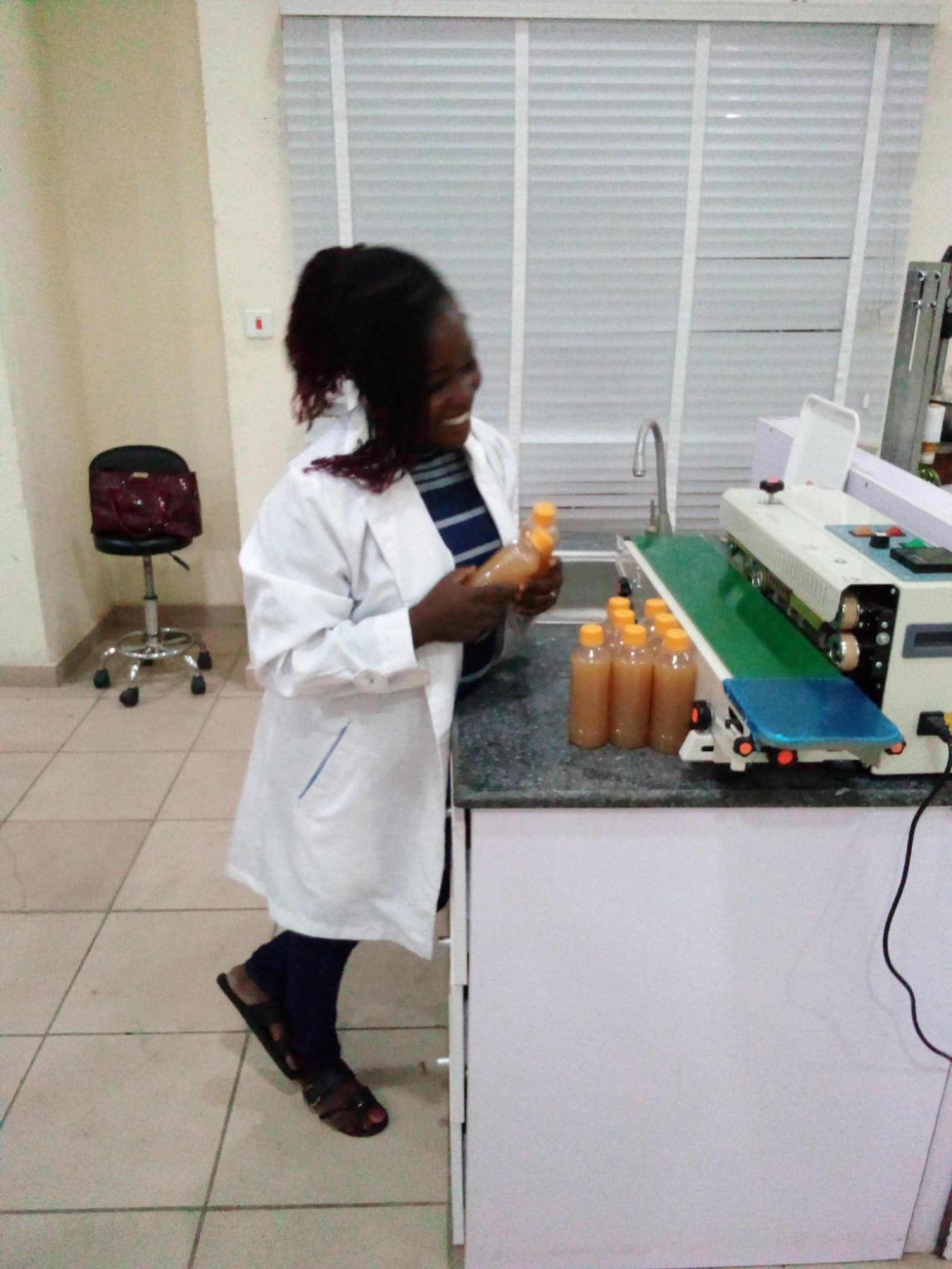
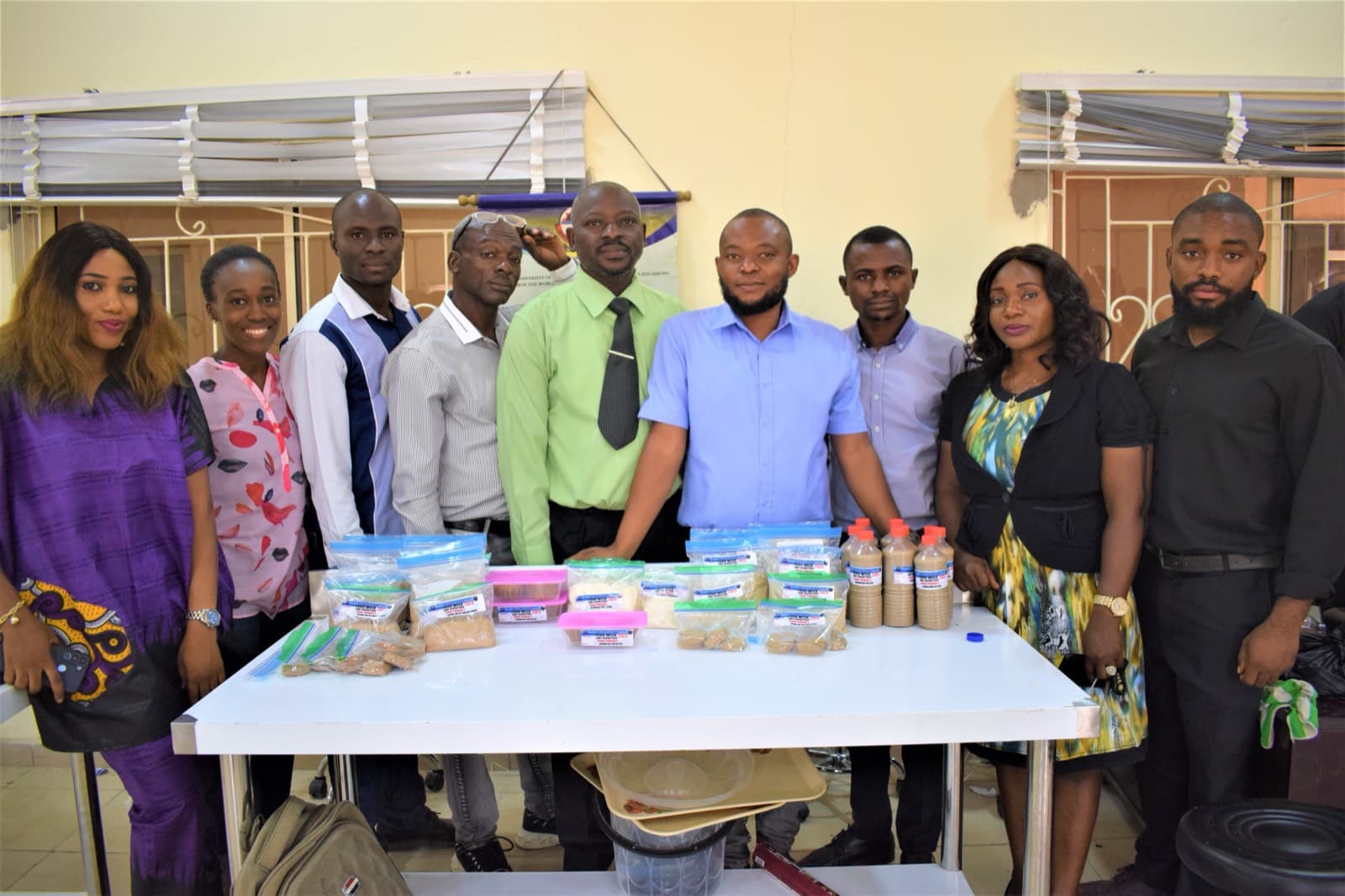
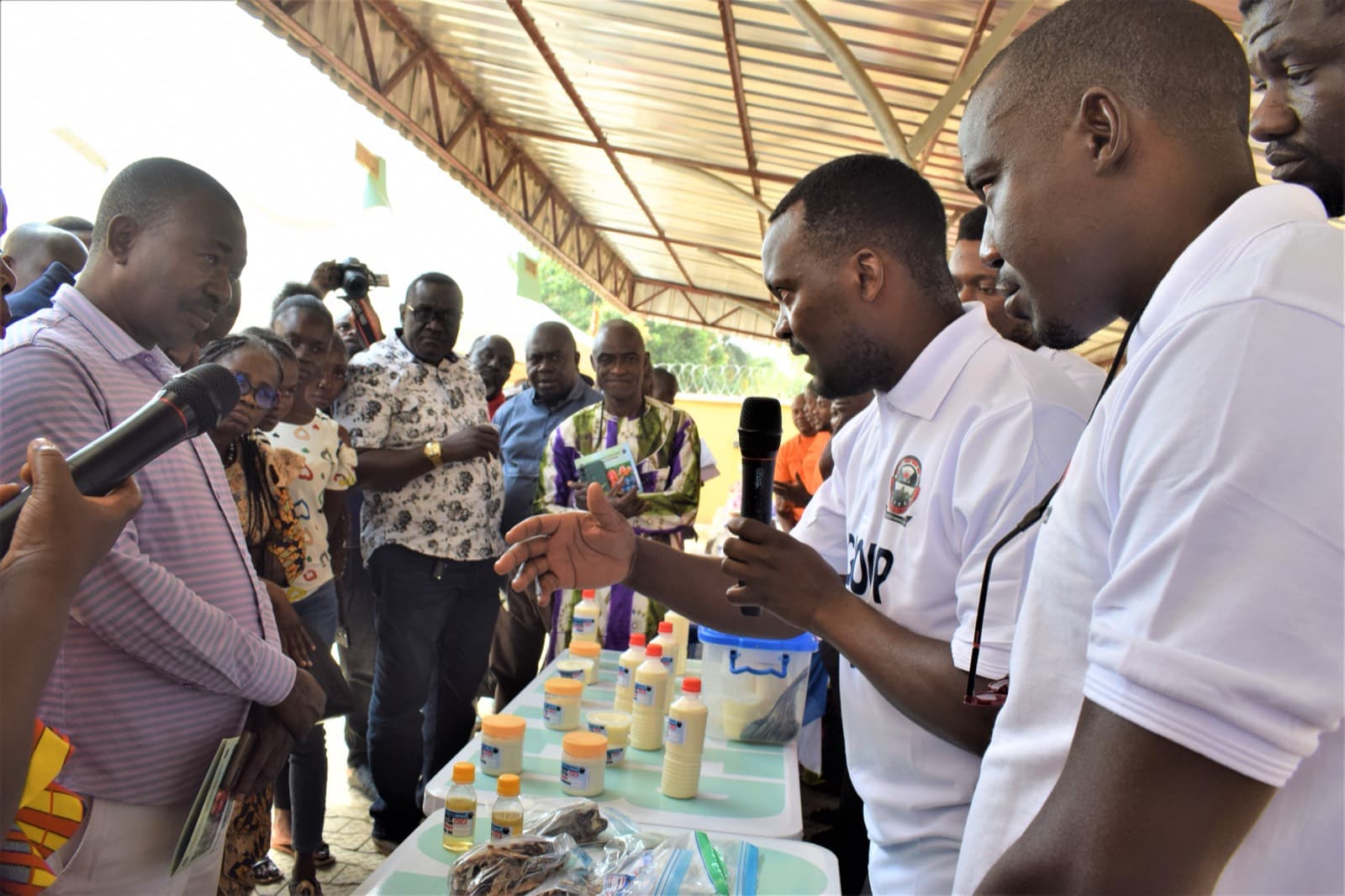
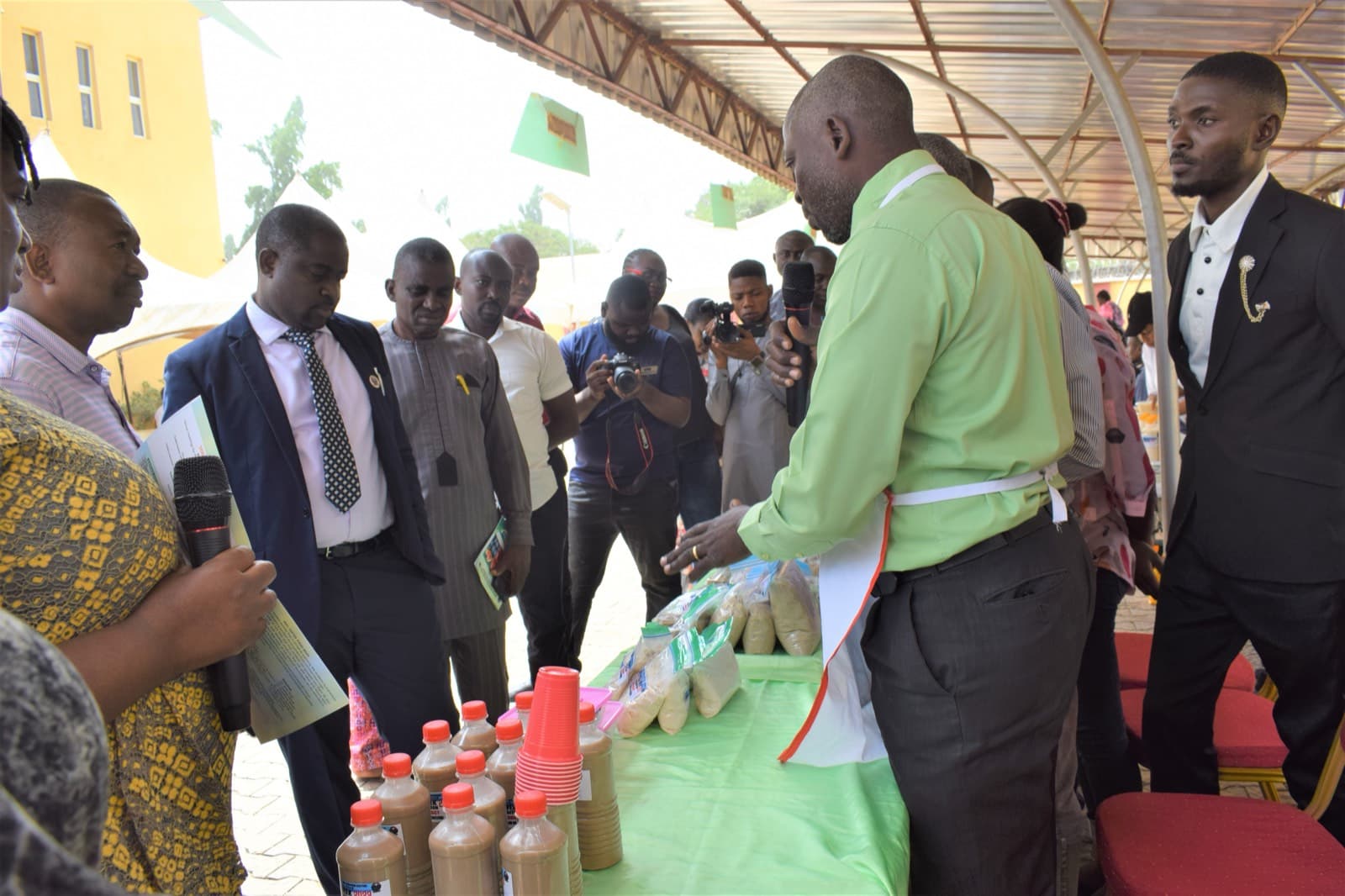
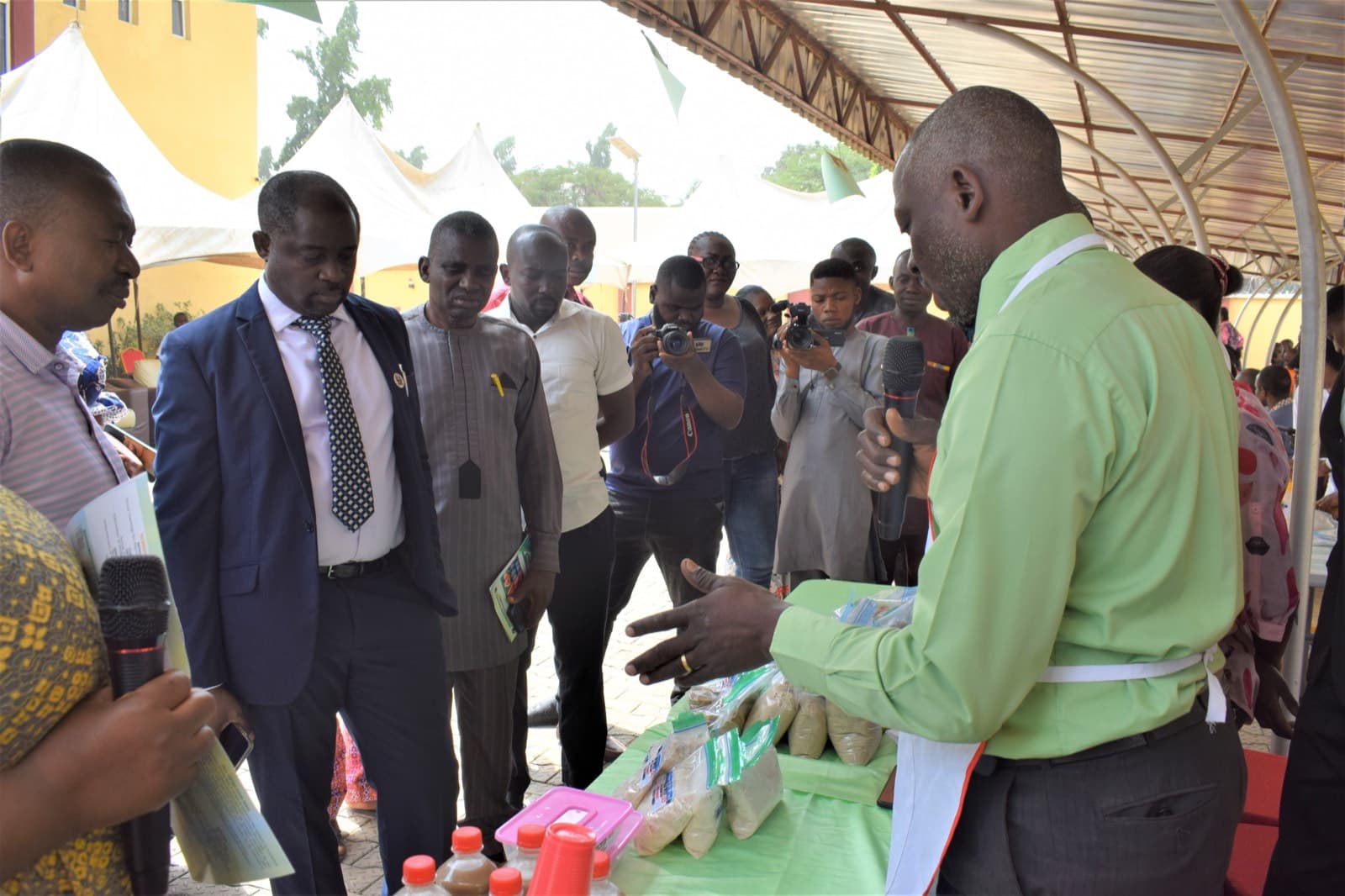

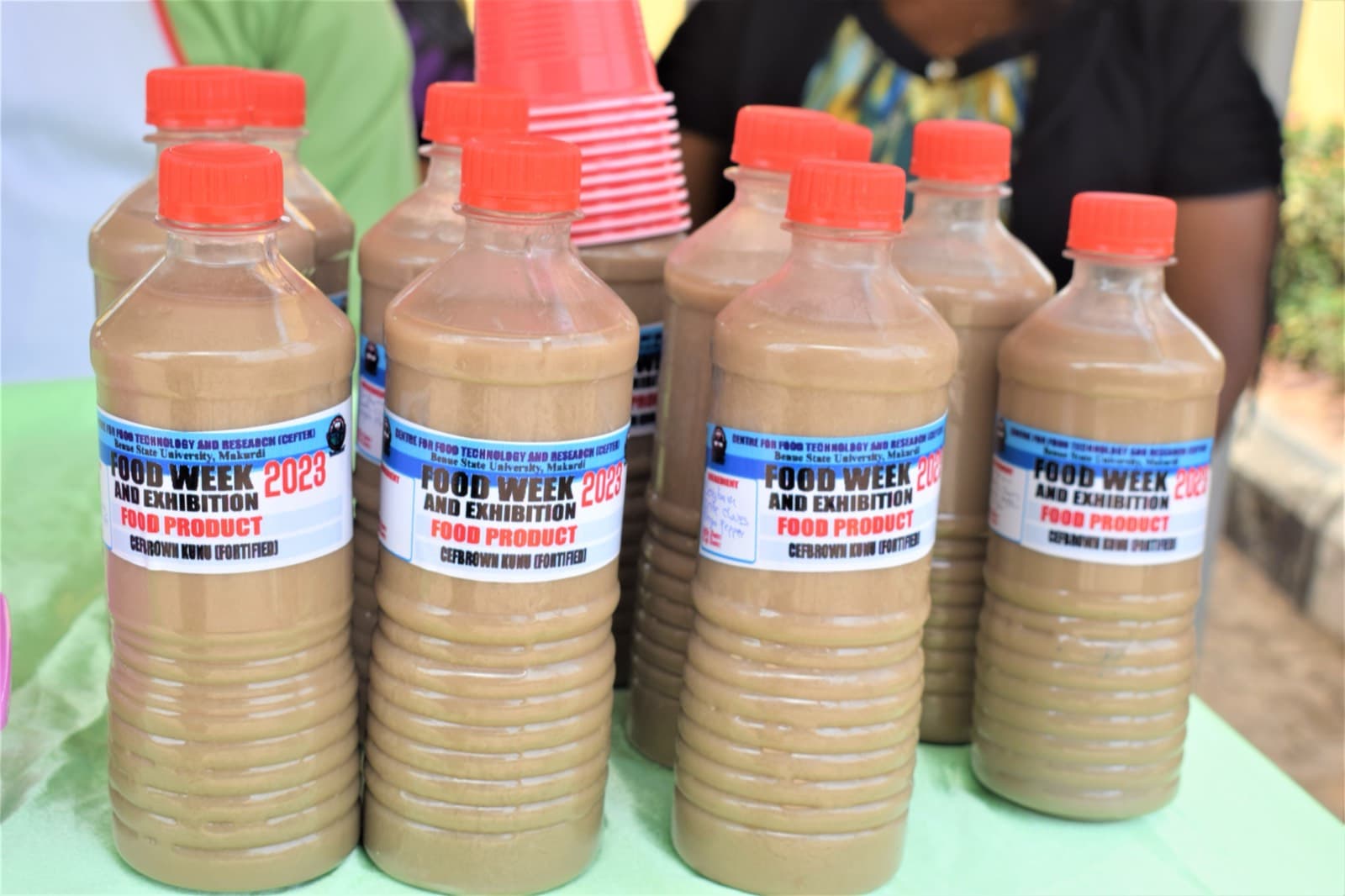
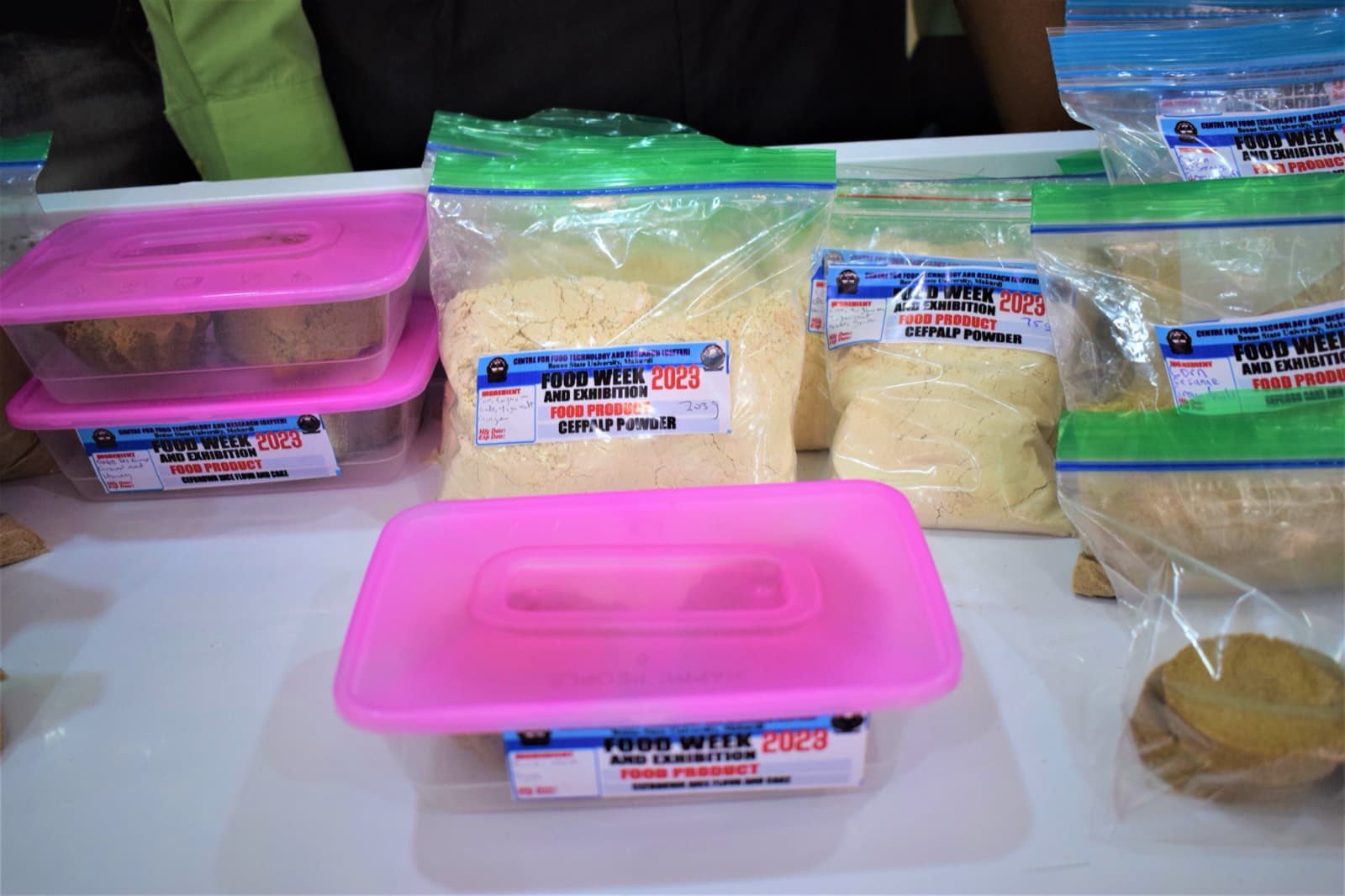
Photos: CEFTER Food Week and Exhibition, 2023
- 1,110Students enrolled since 2015
- 421Graduated
- 9Accredited programmes
- 20International students
About CEFTER
A World Bank Africa Centre of Excellence
CEFTER trains both high- and lower-level manpower to address food waste across West and Central Africa. It was one of 24 Centres selected through a competitive World Bank process among more than 150 universities in the region, with the objective of improving the quality of higher education tied to post-harvest loss reduction.
- 24Centres selected by the World Bank
- 150+universities in the region competed
How the Centre trains
- 1Curriculum designed with industry
- 2Taught by professors and industry experts together
- 3A mandatory industry internship
The Centre runs a multi-disciplinary training model that pairs core university professors with industry-based experts, from curriculum design through to a mandatory industry internship, so graduates leave with both research depth and hands-on production experience.
By the numbers
Enrolment, 2015/16 – 2025/26
The 2021/2022 session is not included in the Centre’s supplied enrolment record.
Students enrolled per session
Busiest session- 1,110Total enrolled
- 421Graduated
- 686Currently enrolled
- 81Regional students
Of 81 regional-cohort students, 43 have graduated:25 male18 female
International community
20 international postgraduate students in residence
18 on PhD tracks and 2 on MSc tracks, drawn from 7 countries across West, Central and East Africa.
By country of origin
- 01Cameroon9 (45%)
- 02Ethiopia5 (25%)
- 03South Sudan2 (10%)
- 04Niger1 (5%)
- 05Burundi1 (5%)
- 06Kenya1 (5%)
- 07Uganda1 (5%)
By programme
- Food Chemistry13
- Food Processing Technology3
- Post-Harvest Physiology & Management of Crops2
- Analytical Chemistry1
- Food Science and Technology1
Accredited programmes
Nine NUC-accredited postgraduate programmes
- MSc/PhD
Food Science & Technology
- MSc
Bio Statistics
- MSc/PhD
Post-Harvest Physiology and Management of Crops
- MSc/PhD
Food Chemistry
- MSc/PhD
Food Processing Technology
- MSc/PhD
Analytical/Environmental Chemistry
- MSc/PhD
Organic/Natural Products Chemistry
- MSc
Post-Harvest Engineering & Technology
- MSc/PhD
Rural Sociology & Agricultural Extension
Short diploma courses
- Food Preservation
- Pest Control
- Produce Management
Training lower-level manpower and farmers and food handlers directly.
Leadership
Centre management
Director
Prof. Simon Terver Ubwa
- SAProf. Sylvester AdejoDeputy Director, Research & Collaboration
- EMProf. Emmanuel MbaawuagaDeputy Director, Operations
- MZMr. Mike ZamberProject Accountant
- BUBill Ushahemba AshaverPrincipal Assistant Registrar
Centre workforce
50 staff- Management5 (10%)
- Senior Administrative & Technical14 (28%)
- Junior Staff18 (36%)
- Casual Staff13 (26%)
Advisory panel
Staff advisers by commodity and specialisation
Reach out to the relevant adviser for guidance on a specific crop, commodity or research-to-market question.
Outreach
CEFTER Food Week and Exhibition, 2023
Value-added food products developed and processed at the Centre, showcased at the 2023 Food Week and Exhibition. Select a photo for a larger view.
Student life
Student welfare
Self-contained hostel rooms with a kitchen, toilet and internet service
CCTV-monitored hostels with a manned security post around the clock
Every student receives accommodation support, tuition support, or a full scholarship
A new 100-bed hostel is under construction beside the Postgraduate Centre
Fully air-conditioned, smart-enabled lecture halls with touch boards and projectors
A 3-month mandatory internship placing students in at least three industries and one research institute after coursework
CEFTER runs a Language Support Unit equipped with 50 translation devices, delivered with the Department of Languages and Linguistics, plus mandatory intercultural-communication training for every incoming cohort.